


Nur Izzati Binti Saring
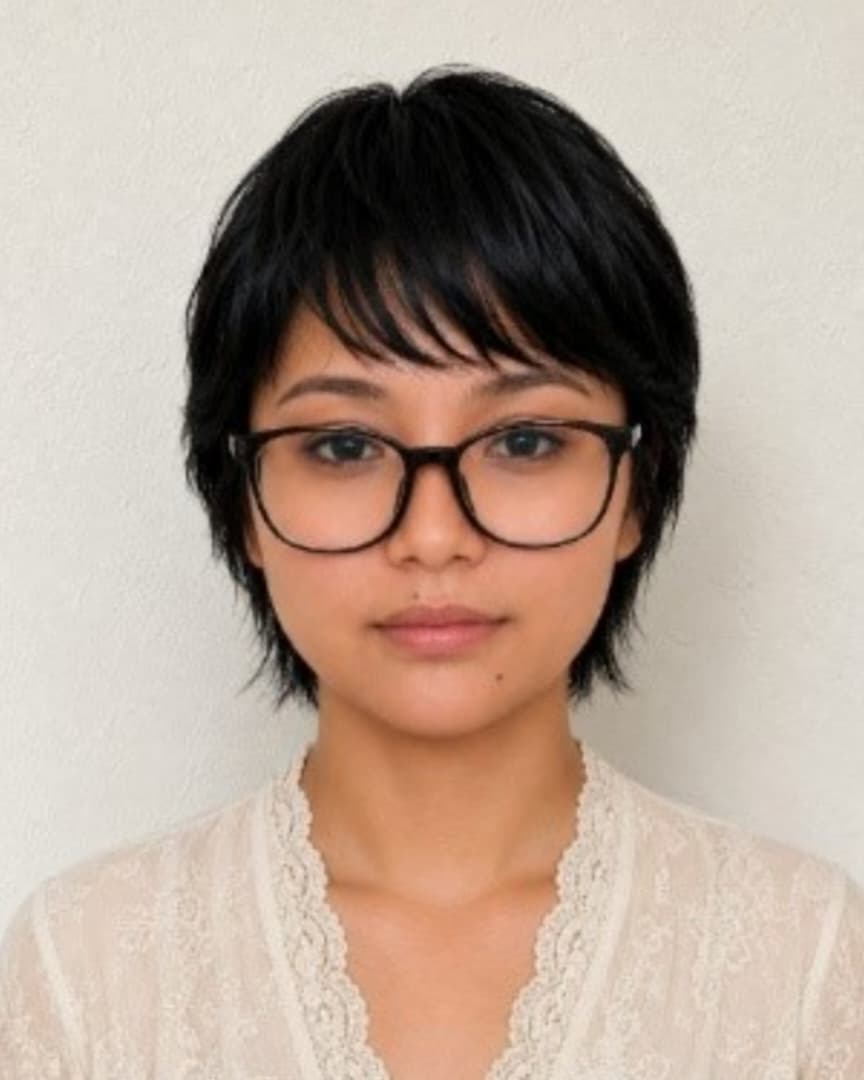
Nur Izzati Binti Saring
MAHPC(CP)00780
Qualification of academics:
- Master in Clinical Psychology (USM-UPSI)
- BSc (Hons) Psychology (IMU)
Research study:
- The Roles of Psychological Distress, Self-Efficacy & Meaning Making on Trauma Outcomes Amongst Adults with Childhood Trauma
- Life After Death: Healing After Sudden Loss of Loved Ones
Work/Clinical Experience:
Clinical experience across hospital, university, neurorehabilitation and community mental health settings. Community mental health initiatives include psychological first aid, trauma-informed interventions for survivors and mental health education. I’ve worked with children, adolescents and adults presenting with emotional, behavioural, developmental, neurological and trauma-related difficulties.
- Hospital Universiti Sains Malaysia (HUSM)
- National Child Development Research Centre (NCDRC)
- Universiti Pendidikan Sultan Idris (UPSI) health clinic
Areas of clinical interest and experience:
- Trauma-related difficulties
- Depression, anxiety and other mood difficulties
- Personality-related and interpersonal difficulties
- Grief, bereavement and adjustment to life transitions
- Developmental, behavioural and learning difficulties
- Psychological and neuropsychological assessment and rehabilitation
Theoretical and therapeutic approach:
Integrative approach:
- Cognitive Behavioural Therapy (CBT),
- Dialectical Behaviour Therapy (DBT),
- Acceptance and Commitment Therapy (ACT),
- Cognitive Processing Therapy (CPT),
- Narrative Exposure Therapy,
- Cognitive Remediation Therapy (CRT) - CogniPlus
- Humanistic Therapy
- Psychodynamic informed approach
- Applied Behavioral Analysis (ABA)
- Play Therapy
Speaking language:
- Malay
- English
RM180 for face-to-face session or online session.
*Psychological assessment fees are not included and vary depending on the type of assessment
My journey in psychology is rooted in my interest in understanding human experiences, particularly how we navigate adversity, trauma and significant life transitions. My life and clinical experiences have shaped my perspective that recovery involves not only alleviating distress but also fostering resilience, self-awareness, intentionality towards personal growth and a renewed sense of meaning.
My postgraduate research explored the roles of psychological distress, self-efficacy and meaning-making in trauma outcomes among adults with childhood trauma. My undergraduate research explored the experiences of individuals coping with the sudden loss of loved ones. These research interests have deepened my appreciation for the complexity of human suffering, and the different paths we take towards healing.
Through my community involvement, I’ve worked with individuals from diverse backgrounds, including survivors of human trafficking and communities affected by natural disasters. These experiences have reinforced the importance of compassion and individualised psychological care.
My therapeutic approach is integrative, client-centred and grounded in evidence-based practice. I aim to provide a safe and collaborative environment where we can explore and understand your experiences, develop healthier coping strategies and move toward meaningful change.
I believe that healing extends beyond symptom reduction to understanding ourselves and what gives our lives meaning. I believe that the goal of healing is not about returning to who we once were, but rather to discover and embrace who we can become.